
- GROWW Wide
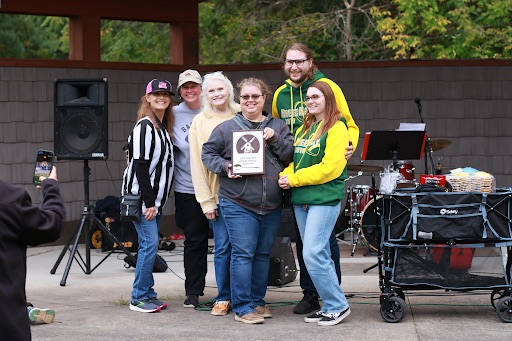
Chili Fest a Success: GROWW Voted Best Booth and Judge’s Choice for Best Traditional Chili
The Baldwin-Woodville Chamber of Commerce held its annual Chili Fest September 26, but this one was unlike the previous 20.
For the first time, this year’s was in Woodville, which raised a few questions.
The Chamber’s reaction after it came and went? A smashing success.
- Rural Wisconsin vs. Corporate Ag
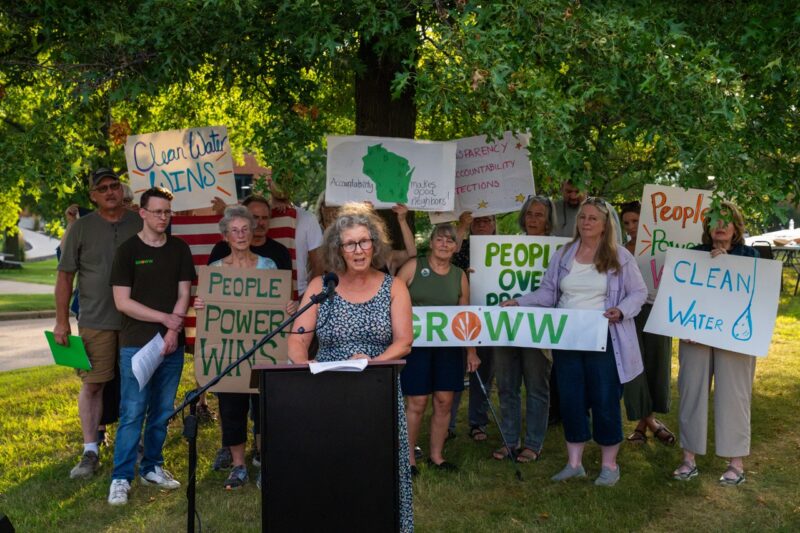
Pierce County residents call for stronger statewide groundwater protections
EAU CLAIRE, Wis. (WEAU) – Despite an order from an administrative law judge for the Wisconsin DNR to revisit an expansion permit issued to Ridge Breeze Dairy in Pierce County, organizers say they are continuing their fight for more groundwater protections across Wisconsin.
For Pierce County residents, it’s been a three-year battle. After challenging the farm’s expansion permit, a judge ruled that the DNR wasn’t doing enough to protect groundwater in the area.
Judge sides with Pierce Co. residents in major victory in Ridge Breeze challenge
PIERCE COUNTY — Pierce County residents have won a major victory in their three-year fight to protect their water, homes, and farming communities from the consequences of Ridge Breeze Dairy’s massive expansion.
On Aug. 24, Administrative Law Judge Angela Chaput Foy ruled that a Wisconsin Department of Natural Resources (DNR) permit for the expansion of Ridge Breeze Dairy from approximately 1,700 cows to up to 9,000 failed to adequately protect groundwater from pollution. Ridge Breeze is located at W2686 390th Ave., Maiden Rock.
The judge found that although the permit directed Ridge Breeze to comply with Wisconsin’s groundwater standards, it gave the DNR no meaningful way to determine whether the dairy was actually following those standards—or whether its operations were polluting the water Pierce County families rely on.
“By omitting a mechanism to verify actual compliance, the Department has issued a mandate while simultaneously denying itself the tools or data necessary to know whether that mandate is broken,” states the decision.
The judge declared the permit unreasonable and sent it back to the DNR, which must now add safeguards — potentially including groundwater monitoring – capable of detecting violations of Wisconsin’s groundwater protection standards.
- GROWW Wide
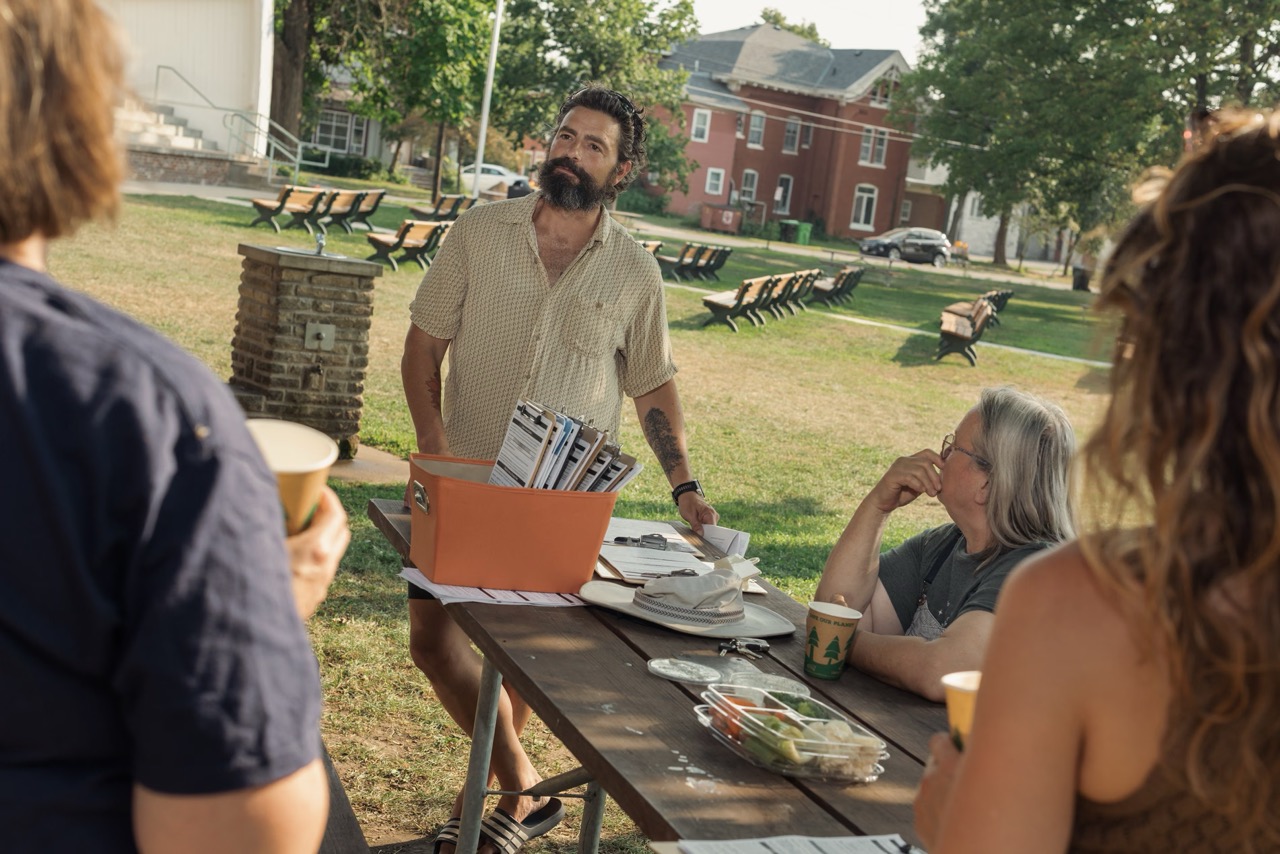
Where healthcare could sway voters, organizers ramp up an old tactic: talking to people
Going door to door in western Wisconsin multiple times per week, Bill Hogseth tells strangers about his seizure.
Hogseth, the co-executive director and lead organizer of the nonpartisan group GrassRoots Organizing Western Wisconsin (GROWW), tells them about waking up in an ambulance, and the impact of the seizure on his ability to drive and work. Usually standing on their doorsteps, he asks to hear their stories too – about ambulance rides, hospital bills, broken bones.
Hogseth’s vulnerability encourages others to share. It’s a concept called “deep canvassing”, a long discussion, usually about 15-20 minutes, with a neighbor at their door about a political issue not tied to a specific candidate. It’s designed to assess a person’s support for a policy at the start of the conversation, then see if it changes by the end of it.
Open minds are key to Hogseth’s work in western Wisconsin’s third congressional district, where a heated season is ramping up as Democrats are trying to unseat Republican representative Derrick Van Orden. A host of national Republican figures have visited the area in recent months, including Trump himself, who came to Chippewa Falls in June to talk about farming, a sign of the area’s prominence on the electoral map.
- Housing Justice
Menomonie city leaders and GROWW celebrate new rental ordinance
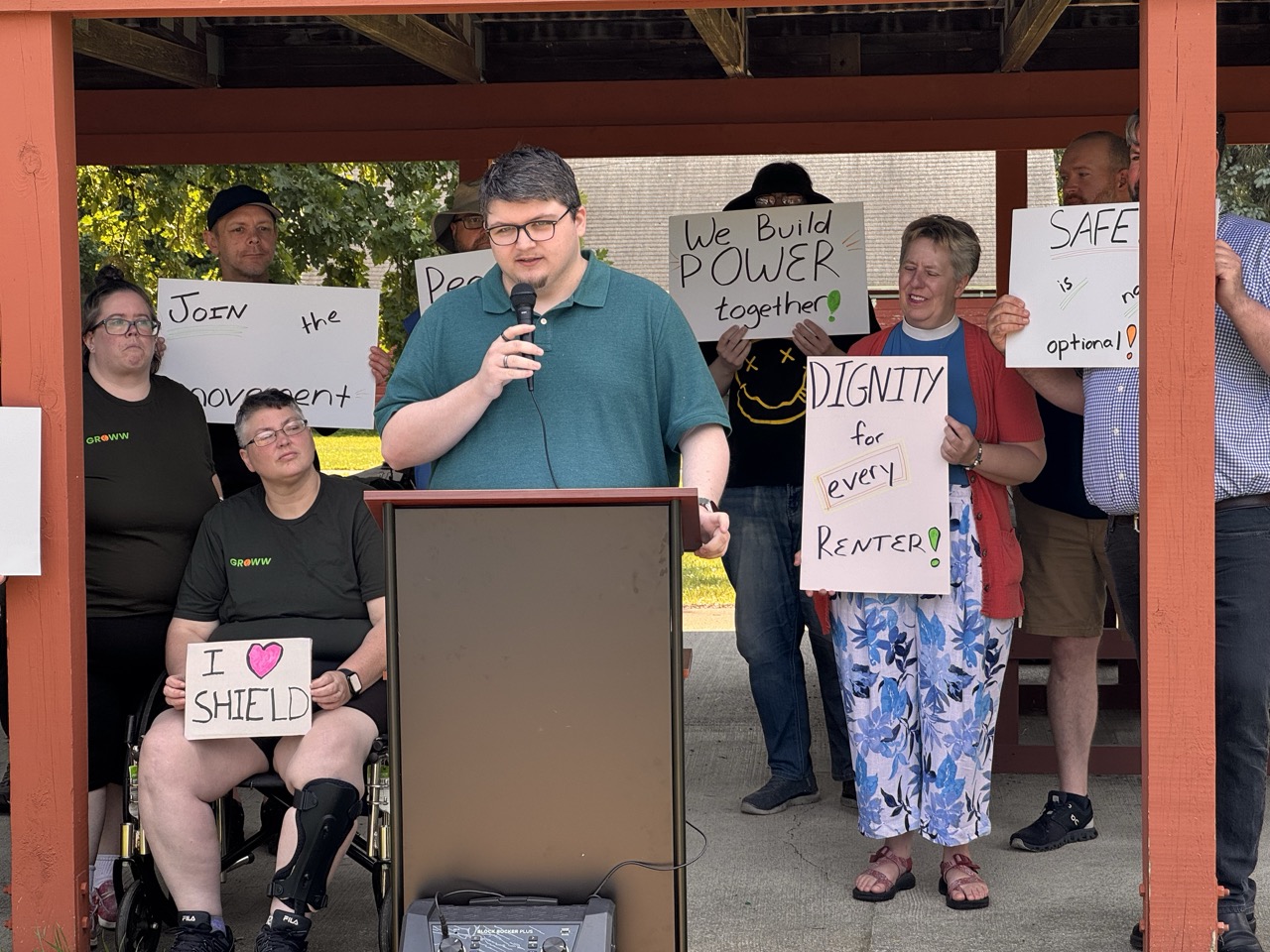
MENOMONIE, Wis. (WEAU) – Menomonie city leaders and residents gathered in celebration of the new SHIELD ordinance going into effect on July 1.
This ordinance was approved back on February 2, after large support from GrassRoots Organizing Western Wisconsin.
On July 1, Mayor Matthew Crowe and City Council President Cody Gentz spoke about SHIELD’s benefits for Menomonie alongside renters who say they’ve struggled against harmful property conditions in the city.
Gentz said SHIELD protects renters by creating proactive rental property inspections.
If a landlord doesn’t correct dangerous conditions after an inspection, the renters on the property may be able to pay less rent.
Gentz said SHIELD also aims to protect tenants from potential retaliation for complaints.
“Really the goal is to help hold some of the landlords around town that don’t take care of their properties, hold them accountable, and give tenants a tool to protect themselves from very dangerous conditions,” Gentz said.
Tom Flug, a Menomonie renter, said he knows just how dangerous poorly maintained properties can be.
“I was just running upstairs, and my foot slipped through a crack,” Flug said. “The bottom tread is cracked. My foot slipped down into it all the way, and I tipped over and pulled my ankle off my leg.”
After years of surgeries, Flug still walks with a cane. He said he hopes SHIELD will keep injuries like his from happening to anyone else.
Gentz said he will continue to work to improving housing in the Menomonie.

Charlie Berens Talks Data Centers At Eau Claire Event
Comedian Charlie Berens has been touring the region for several months – and came to our neck of the woods this past weekend – departing from his staple Midwest accent-heavy shtick to bring a different kind of messaging to audiences.
Berens, best known for “Manitowoc Minute,” is a UW-Madison alum and former journalist who has become a vocal critic of data center development. With over 10 million followers across social media platforms, Berens has taken his town hall-style tour to over a dozen communities since 2025.
On Saturday, June 13, Berens was the keynote speaker of “Uniting West Wisconsin: A Regional Response to Data Centers” at the Eau Claire Event District.
Roughly 600 people filled the local venue to learn more about hyperscale – developments which often spark pushback from nearby residents regarding environmental- and transparency-related concerns – and how to organize against them, per the event’s focus.
- GROWW Wide
Chili Fest a Success: GROWW Voted Best Booth and Judge’s Choice for Best Traditional Chili
The Baldwin-Woodville Chamber of Commerce held its annual Chili Fest September 26, but this one was unlike the previous 20.
For the first time, this year’s was in Woodville, which raised a few questions.
The Chamber’s reaction after it came and went? A smashing success.
- Rural Wisconsin vs. Corporate Ag
Pierce County residents call for stronger statewide groundwater protections
EAU CLAIRE, Wis. (WEAU) – Despite an order from an administrative law judge for the Wisconsin DNR to revisit an expansion permit issued to Ridge Breeze Dairy in Pierce County, organizers say they are continuing their fight for more groundwater protections across Wisconsin.
For Pierce County residents, it’s been a three-year battle. After challenging the farm’s expansion permit, a judge ruled that the DNR wasn’t doing enough to protect groundwater in the area.
Judge sides with Pierce Co. residents in major victory in Ridge Breeze challenge
PIERCE COUNTY — Pierce County residents have won a major victory in their three-year fight to protect their water, homes, and farming communities from the consequences of Ridge Breeze Dairy’s massive expansion.
On Aug. 24, Administrative Law Judge Angela Chaput Foy ruled that a Wisconsin Department of Natural Resources (DNR) permit for the expansion of Ridge Breeze Dairy from approximately 1,700 cows to up to 9,000 failed to adequately protect groundwater from pollution. Ridge Breeze is located at W2686 390th Ave., Maiden Rock.
The judge found that although the permit directed Ridge Breeze to comply with Wisconsin’s groundwater standards, it gave the DNR no meaningful way to determine whether the dairy was actually following those standards—or whether its operations were polluting the water Pierce County families rely on.
“By omitting a mechanism to verify actual compliance, the Department has issued a mandate while simultaneously denying itself the tools or data necessary to know whether that mandate is broken,” states the decision.
The judge declared the permit unreasonable and sent it back to the DNR, which must now add safeguards — potentially including groundwater monitoring – capable of detecting violations of Wisconsin’s groundwater protection standards.
- GROWW Wide
Where healthcare could sway voters, organizers ramp up an old tactic: talking to people
Going door to door in western Wisconsin multiple times per week, Bill Hogseth tells strangers about his seizure.
Hogseth, the co-executive director and lead organizer of the nonpartisan group GrassRoots Organizing Western Wisconsin (GROWW), tells them about waking up in an ambulance, and the impact of the seizure on his ability to drive and work. Usually standing on their doorsteps, he asks to hear their stories too – about ambulance rides, hospital bills, broken bones.
Hogseth’s vulnerability encourages others to share. It’s a concept called “deep canvassing”, a long discussion, usually about 15-20 minutes, with a neighbor at their door about a political issue not tied to a specific candidate. It’s designed to assess a person’s support for a policy at the start of the conversation, then see if it changes by the end of it.
Open minds are key to Hogseth’s work in western Wisconsin’s third congressional district, where a heated season is ramping up as Democrats are trying to unseat Republican representative Derrick Van Orden. A host of national Republican figures have visited the area in recent months, including Trump himself, who came to Chippewa Falls in June to talk about farming, a sign of the area’s prominence on the electoral map.
- Housing Justice
Menomonie city leaders and GROWW celebrate new rental ordinance
MENOMONIE, Wis. (WEAU) – Menomonie city leaders and residents gathered in celebration of the new SHIELD ordinance going into effect on July 1.
This ordinance was approved back on February 2, after large support from GrassRoots Organizing Western Wisconsin.
On July 1, Mayor Matthew Crowe and City Council President Cody Gentz spoke about SHIELD’s benefits for Menomonie alongside renters who say they’ve struggled against harmful property conditions in the city.
Gentz said SHIELD protects renters by creating proactive rental property inspections.
If a landlord doesn’t correct dangerous conditions after an inspection, the renters on the property may be able to pay less rent.
Gentz said SHIELD also aims to protect tenants from potential retaliation for complaints.
“Really the goal is to help hold some of the landlords around town that don’t take care of their properties, hold them accountable, and give tenants a tool to protect themselves from very dangerous conditions,” Gentz said.
Tom Flug, a Menomonie renter, said he knows just how dangerous poorly maintained properties can be.
“I was just running upstairs, and my foot slipped through a crack,” Flug said. “The bottom tread is cracked. My foot slipped down into it all the way, and I tipped over and pulled my ankle off my leg.”
After years of surgeries, Flug still walks with a cane. He said he hopes SHIELD will keep injuries like his from happening to anyone else.
Gentz said he will continue to work to improving housing in the Menomonie.
Charlie Berens Talks Data Centers At Eau Claire Event
Comedian Charlie Berens has been touring the region for several months – and came to our neck of the woods this past weekend – departing from his staple Midwest accent-heavy shtick to bring a different kind of messaging to audiences.
Berens, best known for “Manitowoc Minute,” is a UW-Madison alum and former journalist who has become a vocal critic of data center development. With over 10 million followers across social media platforms, Berens has taken his town hall-style tour to over a dozen communities since 2025.
On Saturday, June 13, Berens was the keynote speaker of “Uniting West Wisconsin: A Regional Response to Data Centers” at the Eau Claire Event District.
Roughly 600 people filled the local venue to learn more about hyperscale – developments which often spark pushback from nearby residents regarding environmental- and transparency-related concerns – and how to organize against them, per the event’s focus.